Storytelling as the Common Thread in Event Planning


Transform your events into memorable experiences through the power of storytelling
Conferences
Conferences
3 min
Discover how storytelling can elevate event planning from a series of activities to a meaningful journey. Learn to weave a consistent narrative that connects every detail, engages participants, and leaves a lasting impression long after the event ends.
Frank Patterson
Frank
Patterson

Storytelling as the Common Thread in Event Planning

Transform your events into memorable experiences through the power of storytelling
Conferences
Conferences
3 min
Discover how storytelling can elevate event planning from a series of activities to a meaningful journey. Learn to weave a consistent narrative that connects every detail, engages participants, and leaves a lasting impression long after the event ends.
Frank Patterson
Frank
Patterson

A successful event is never just about logistics, schedules, or technology – it’s about creating experiences that people remember. What ties all the elements together and gives them meaning is often a well-crafted story. Storytelling is the common thread that connects every detail – from the first invitation to the final farewell. But how can storytelling become an active tool in event planning?

Why Storytelling Makes a Difference

People remember stories far better than facts. A good story evokes emotion, builds connection, and brings messages to life. In event planning, storytelling helps create a sense of coherence and purpose – whether it’s a corporate conference, a community festival, or a product launch.

Storytelling doesn’t mean inventing fiction. It’s about uncovering the story that already exists within the event’s purpose. What is the core message? What journey do you want participants to take? And how can you make them feel like part of that journey?

Start with Purpose – and Find the Heart of the Story

Every great story has a purpose, and so does every great event. Before booking a venue or choosing entertainment, ask yourself: What do we want participants to take away from this experience?

Once you know the answer, you can build the story around it. Maybe it’s about innovation, community, or transformation. Use that as the foundation for everything – from the theme and visual identity to the program and speakers.

A simple but effective approach is to think in terms of narrative structure: beginning, middle, and end. How will you introduce the theme? How will the experience evolve? And how will you conclude in a way that leaves a lasting impression?

Create a Common Thread Across Every Touchpoint

Storytelling in event planning doesn’t start on the day of the event – it begins the moment participants receive their first invitation and continues long after they’ve gone home.

  • The invitation sets the tone. Use language and design that reflect the story you want to tell.
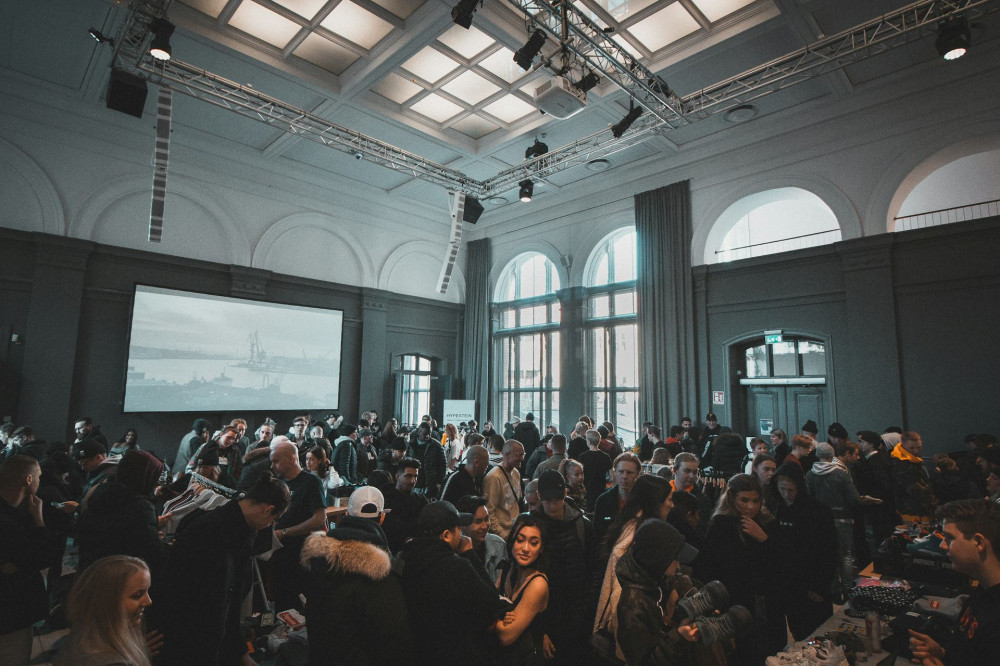
  • The venue can reinforce the narrative. A coastal location, a heritage building, or a modern rooftop space each tells a different story.
  • The program should flow naturally, with sessions and breaks forming chapters in a larger narrative.
  • The conclusion should feel like a resolution, not just an ending. Give participants something meaningful to take away – an idea, a connection, or a renewed sense of purpose.

When every element aligns with the story, the event feels cohesive rather than fragmented.

Engage the Senses to Strengthen the Story

A powerful story isn’t just heard – it’s felt. Think about how sensory experiences can reinforce your message. Light, sound, scent, taste, and movement can all help create atmosphere and emotional depth.

An event focused on sustainability might use natural materials, local produce, and eco-friendly design to make the story tangible. A tech-focused event could use interactive installations, digital art, and futuristic soundscapes to highlight innovation.

When the senses are engaged, the story becomes immersive – something participants experience rather than simply observe.

Make Participants Co-Creators of the Story

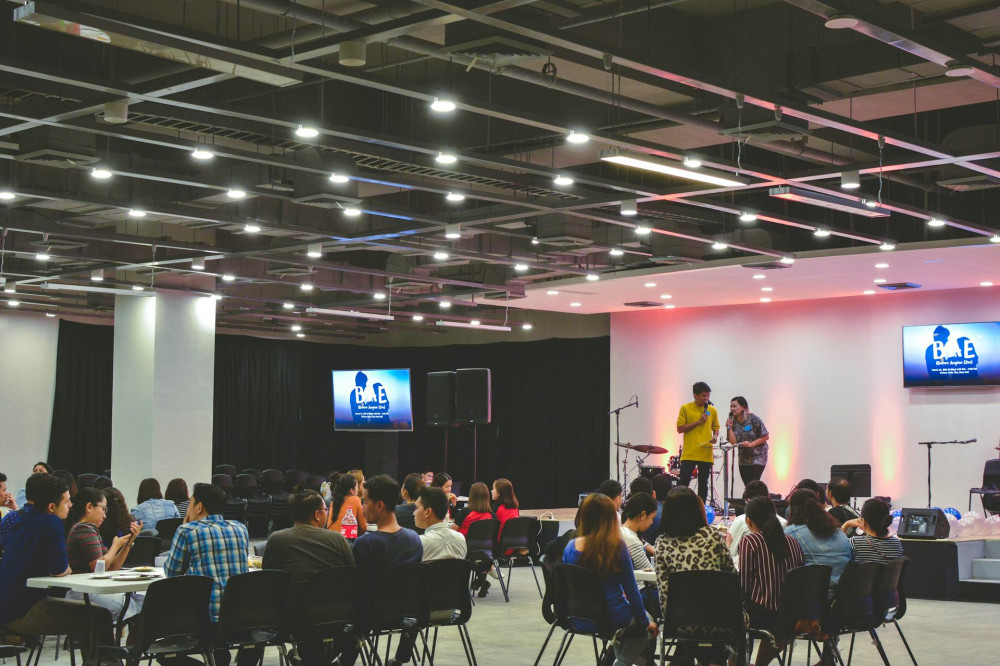
The most memorable events are those where participants aren’t just spectators but active contributors. Consider how you can involve them in the storytelling process – through workshops, live polls, creative activities, or digital platforms.

When people have a chance to contribute, they feel ownership of the experience. The story becomes personal, and the message resonates long after the event ends.

After the Event – Keep the Story Alive

An event doesn’t end when the lights go out. Post-event communication is a vital part of the storytelling process. Share photos, videos, and reflections that retell the experience and extend its life. Use social media, newsletters, or short recap films to remind participants of what they were part of.

In doing so, the event becomes more than a one-off occasion – it becomes a chapter in a larger story about your organisation, your values, and your community.

Storytelling as a Strategic Tool

When used intentionally, storytelling becomes a strategic asset in event planning. It provides direction, strengthens your message, and engages participants on a deeper level. It takes thought and creativity, but the result is events that don’t just inform – they inspire.

So next time you plan an event, ask yourself: What story do we want to tell – and how can we make people truly feel it?

Storytelling as the Common Thread in Event Planning
Transform your events into memorable experiences through the power of storytelling
Conferences
Conferences
Event Planning
Storytelling
Experience Design
Event Strategy
Audience Engagement
3 min
Discover how storytelling can elevate event planning from a series of activities to a meaningful journey. Learn to weave a consistent narrative that connects every detail, engages participants, and leaves a lasting impression long after the event ends.
Frank Patterson
Frank
Patterson
Create a Reusable Event Evaluation Template You Can Use Again and Again
Turn post-event reflections into a powerful tool for continuous improvement
Conferences
Conferences
Event Planning
Evaluation
Templates
Continuous Improvement
Event Management
4 min
Discover how to design a reusable event evaluation template that saves time and delivers valuable insights after every event. Learn the key steps to building a consistent, adaptable framework that helps you refine and enhance your future conferences, festivals, and functions.
Mason Hayes
Mason
Hayes
Business Events in Many Forms – Understanding Differences in Purpose, Format and Participants
Discover how different types of business events drive connection, learning, and results
Conferences
Conferences
Business Events
Event Planning
Corporate Communication
Professional Development
Networking
6 min
From small team meetings to major conferences, business events come in many forms – each with its own goals, formats, and audiences. Learn how understanding these differences can help you plan events that engage participants and deliver real value.
Ruby Carter
Ruby
Carter
Corrugated cardboard – applications, properties and types
Efficient and flexible packaging solution for transport and storage
Companies
Companies
Corrugated cardboard
Packaging
Logistics
Warehouse handling
Environmentally friendly packaging
7 min
Corrugated cardboard is a versatile and environmentally friendly packaging material that protects goods during transport and storage. The article provides an overview of applications, properties and types, so you can choose the right solution for your business.
Layla Hall
Layla
Hall
Ink cartridges – understanding the difference between colour cartridges
Keep track of your printer’s lifeline and choose the right cartridges for your needs
Companies
Companies
ink cartridges
printer
office supplies
colour printing
consumables
3 min
Ink cartridges vary in price, capacity and quality. In this article, you’ll get an overview of the differences between colour cartridges, the most important considerations before buying, and which types and brands suit different needs.
Iris Ferguson
Iris
Ferguson
Filing systems – ideas for smarter storage
Create structure and overview in the office with the right solutions
Companies
Companies
Filing
Office design
Storage
Organisation
Efficiency
4 min
A good filing system creates overview and efficiency in the office. Get inspiration for different types, materials and brands, and find the solution that best suits your needs and workspace.
Frank Patterson
Frank
Patterson
Guide: Different types of multifunction printers and their use
Efficient printing, scanning and copying combined in one solution
Companies
Companies
Multifunction printer
Office equipment
Printing
Business
Technology
2 min
Multifunction printers combine printing, scanning and copying in one device. In this guide, you get an overview of the different types, functions and brands, so you can choose the printer that best suits your needs.
Mason Hayes
Mason
Hayes
Printers – how printers have evolved over time
From simple text prints to intelligent multifunction devices for home and office
Companies
Companies
Printers
Home office
Office equipment
Technology
Buying guide
6 min
Printers have evolved from simple text machines to advanced multifunction devices. Read about the main types, features and brands, and get help choosing the printer that best suits your home or office.
Ruby Carter
Ruby
Carter