Business Events in Many Forms – Understanding Differences in Purpose, Format and Participants

Business Events in Many Forms – Understanding Differences in Purpose, Format and Participants
Business events are an essential part of professional life in Australia. From internal team gatherings to large-scale conferences and trade shows, they serve as platforms for connection, learning and growth. Yet, not all business events are created equal. Their purpose, format and participants vary widely – and understanding these differences is key to creating events that truly deliver value.
Different Purposes Call for Different Approaches
Every business event starts with a purpose, and that purpose should guide every decision – from the program to the tone of communication.
- Internal events focus on employees and organisational culture. These include team-building days, strategy sessions, milestone celebrations or staff conferences. The goal is to strengthen collaboration, motivation and a shared sense of direction.
- External events target clients, partners or the broader public. Product launches, trade fairs, networking receptions and customer appreciation events fall into this category. Their aim is to build relationships, enhance visibility and drive business opportunities.
- Professional and educational events such as conferences, symposiums and workshops centre on knowledge sharing. They bring together experts, students and professionals to exchange insights and foster innovation.
When the purpose is clear, it becomes easier to design an event that resonates with participants and achieves its objectives.
Læs også:


The Format Shapes the Experience
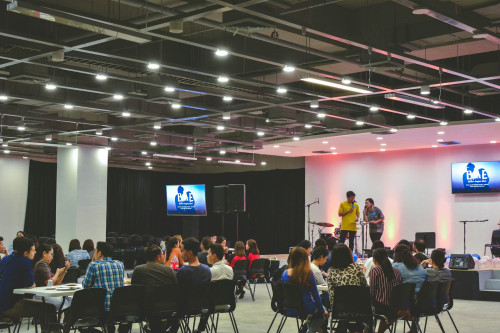
The format of an event determines how participants engage and what kind of atmosphere is created. In Australia’s diverse business landscape, formats range from intimate boardroom sessions to large-scale conventions.
- Conferences and seminars are structured around presentations and discussions. They require careful planning, strong logistics and a coherent program that keeps participants engaged.
- Workshops and hackathons are hands-on and interactive. They work best when the goal is to generate ideas, solve problems or encourage collaboration across teams or industries.
- Networking events focus on building relationships. Whether it’s a breakfast briefing in Sydney or a sundowner in Perth, the setting should encourage conversation and connection.
- Corporate celebrations and social events – from end-of-year parties to award nights – strengthen company culture and employee engagement.
In recent years, hybrid and virtual events have become increasingly common. They allow participants to join from anywhere in Australia or beyond, expanding reach and accessibility. However, they also demand careful technical coordination and clear communication to ensure a seamless experience.
Know Your Participants – and Plan Around Them
A successful event starts with understanding who will attend and what they expect to gain.
- Employees look for relevance and meaning. Internal events should connect to their daily work, offering clarity, inspiration or a sense of belonging.
- Clients and partners attend when they see value – whether that’s new insights, networking opportunities or exposure to innovative products and services.
- Industry professionals and experts seek quality content and credible speakers. For them, the program’s depth and professionalism determine whether the event is worth their time.
Knowing your audience also means considering practicalities – accessibility, timing, and even cultural nuances. In a country as geographically vast and diverse as Australia, these details can make a big difference.
From Planning to Impact
No matter the type, a business event requires thoughtful planning and execution. It’s about designing the entire participant journey – from the first invitation to post-event follow-up. A clear purpose, a well-chosen format and a deep understanding of the audience form the foundation.
When these elements align, a business event becomes more than just a date on the calendar. It becomes an experience that inspires, connects and creates lasting value – for participants, for organisations and for the broader business community.
Læs også: