Green logistics in the warehouse – choose sustainable solutions for storage and internal transport

Green logistics in the warehouse – choose sustainable solutions for storage and internal transport
Green logistics is not just about the trucks leaving the depot – it starts inside the warehouse. Small changes in layout, equipment, and daily routines can make a big difference for both the environment and the bottom line. From energy‑efficient lighting to electric forklifts and reusable packaging, there are many ways to make warehouse operations more sustainable. In this article, we look at how Australian businesses can choose greener solutions for storage and internal transport.
Start by mapping your energy use
A good first step towards a greener warehouse is to understand where energy is being consumed. Lighting, cooling, and internal transport often account for a large share of total energy use. By measuring and analysing energy data, you can identify the biggest sources of consumption and prioritise improvements.
Consider installing motion sensors that automatically switch off lights in unused areas, or replacing outdated fixtures with LED lighting. This reduces both electricity use and maintenance costs. In many parts of Australia, solar energy is an obvious choice – rooftop panels can supply a significant portion of a warehouse’s power needs, especially in sunny regions such as Queensland or Western Australia. Alternatively, you can choose a certified renewable energy supplier to ensure your operations run on green power.
Læs også:
Choose sustainable storage solutions
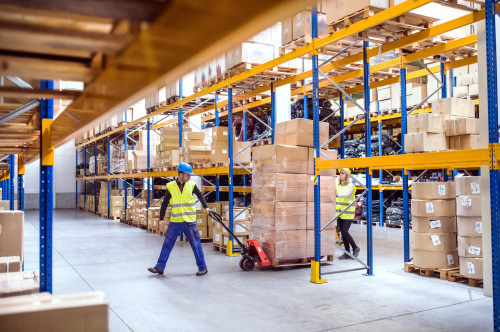
Shelving, pallets, and storage systems can also play a role in the green transition. Many manufacturers now offer products made from recycled materials or designed with a lower carbon footprint. Modular systems are particularly sustainable because they can be reconfigured as needs change, extending their lifespan and reducing waste.
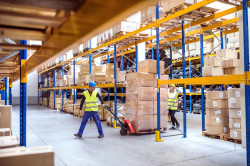
Think carefully about how goods are placed. An efficient warehouse layout – where high‑turnover items are stored close to picking areas – reduces travel distances and energy use. This not only benefits the environment but also improves productivity and safety for staff.
Make internal transport electric and efficient
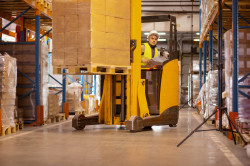
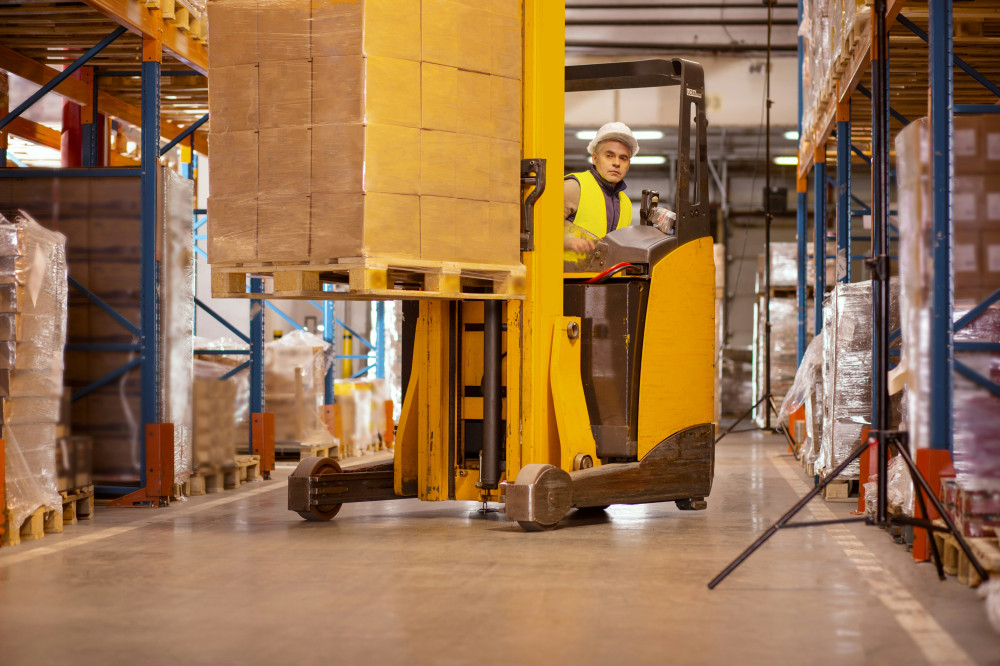
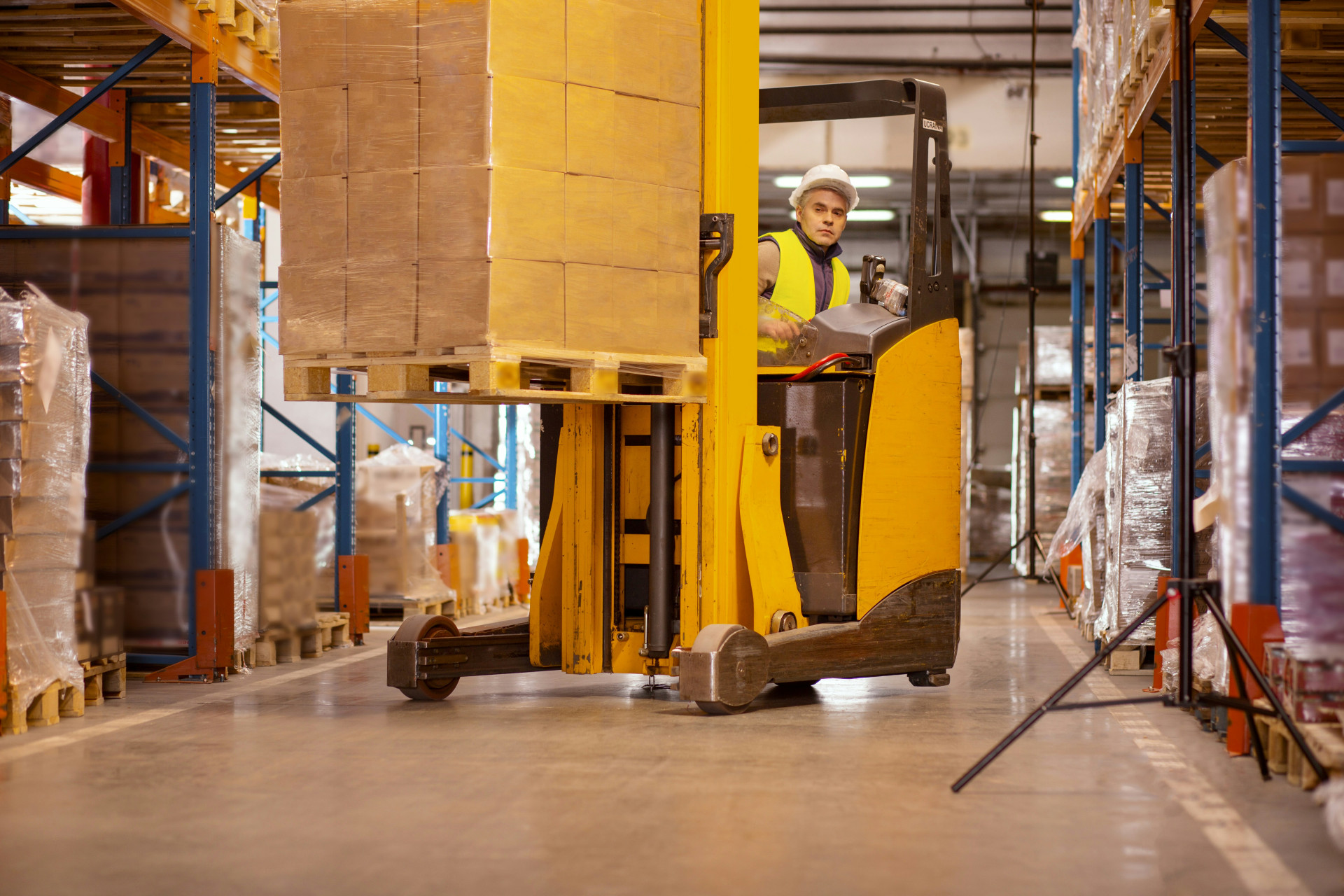
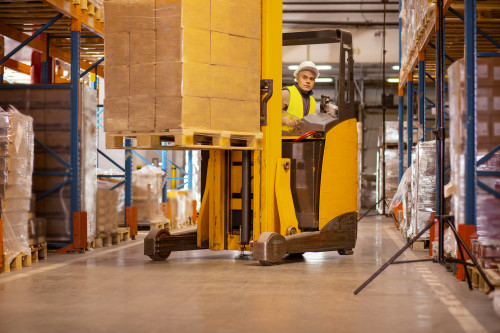
Internal transport is one of the easiest areas to decarbonise. Electric pallet jacks, forklifts, and automated guided vehicles (AGVs) are becoming increasingly common and can often replace diesel‑powered machines. They produce no local emissions, generate less noise, and require less maintenance. When charged with renewable electricity, they can make a significant contribution to reducing your warehouse’s carbon footprint.
If you already operate a fleet of older vehicles, consider a gradual replacement plan or retrofit solutions that convert engines to electric power. At the same time, optimise routes and driving patterns to avoid unnecessary movement. Digital fleet management systems can help monitor usage and energy consumption, ensuring that every vehicle is used efficiently.
Reuse and circular thinking in packaging and materials
Packaging is a major source of waste in warehouse operations. By introducing reuse systems for pallets, crates, and filling materials, you can reduce both waste and purchasing costs. Many Australian companies are now adopting circular models where packaging is returned, cleaned, and reused instead of being discarded.
Choose materials that are easy to recycle – for example, cardboard instead of plastic, or bio‑based alternatives where possible. This not only reduces environmental impact but also demonstrates to customers and partners that your business takes responsibility for sustainability throughout the supply chain.
Build a culture of sustainability
Technology and equipment can take you far, but lasting change happens when people are involved. A green warehouse depends on employees understanding why sustainability matters and how they can contribute. Simple actions such as switching off machines when not in use, sorting waste correctly, or suggesting improvements can make a real difference.
Appoint a sustainability coordinator or create a green team to follow up on initiatives and share results. When sustainability becomes part of the workplace culture, it’s easier to maintain momentum and continuously improve performance.
Green logistics pays off
Although sustainable investments can seem costly at first, experience shows that they often pay for themselves through lower energy bills, reduced waste, and a better working environment. They also strengthen your company’s reputation and competitiveness in a market where customers and partners increasingly demand documented sustainability.
Green logistics in the warehouse is therefore not just about doing the right thing for the planet – it’s a strategic decision that creates value for your business, your employees, and the environment in the long run.
Læs også: