Energy and Efficiency: Plan Cleaning and Maintenance with Care

Smarter cleaning strategies that save energy and support long-term sustainability
Cleaning
Cleaning
5 min
Discover how thoughtful planning of cleaning and maintenance can reduce energy consumption, improve efficiency, and promote healthier indoor environments. Learn how small changes in methods, equipment, and routines can make a big difference for both people and the planet.
Ruby Carter
Ruby
Carter

Energy and Efficiency: Plan Cleaning and Maintenance with Care

Smarter cleaning strategies that save energy and support long-term sustainability
Cleaning
Cleaning
5 min
Discover how thoughtful planning of cleaning and maintenance can reduce energy consumption, improve efficiency, and promote healthier indoor environments. Learn how small changes in methods, equipment, and routines can make a big difference for both people and the planet.
Ruby Carter
Ruby
Carter

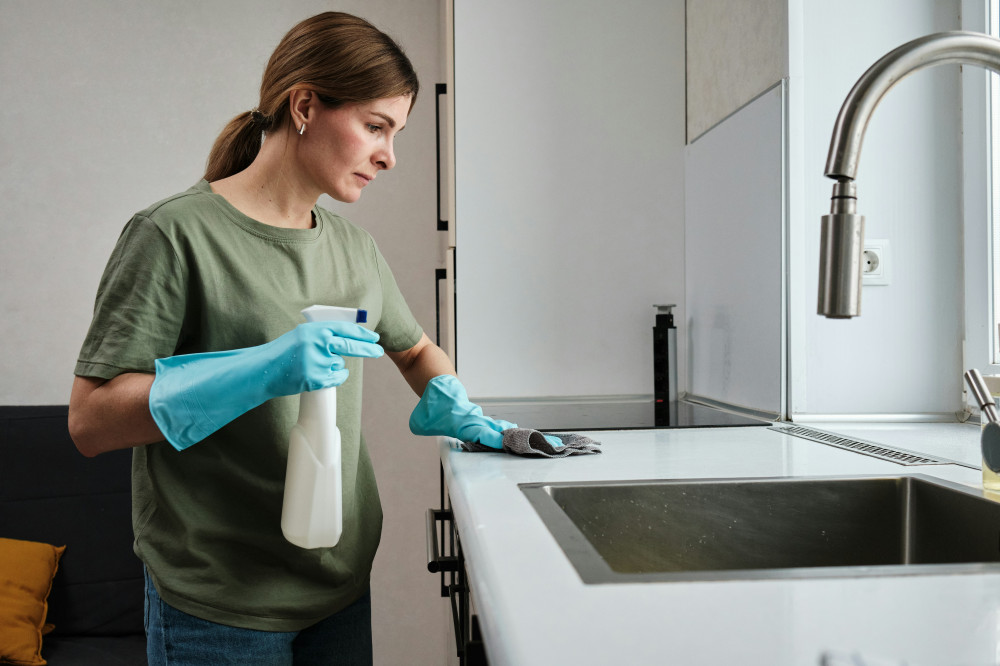
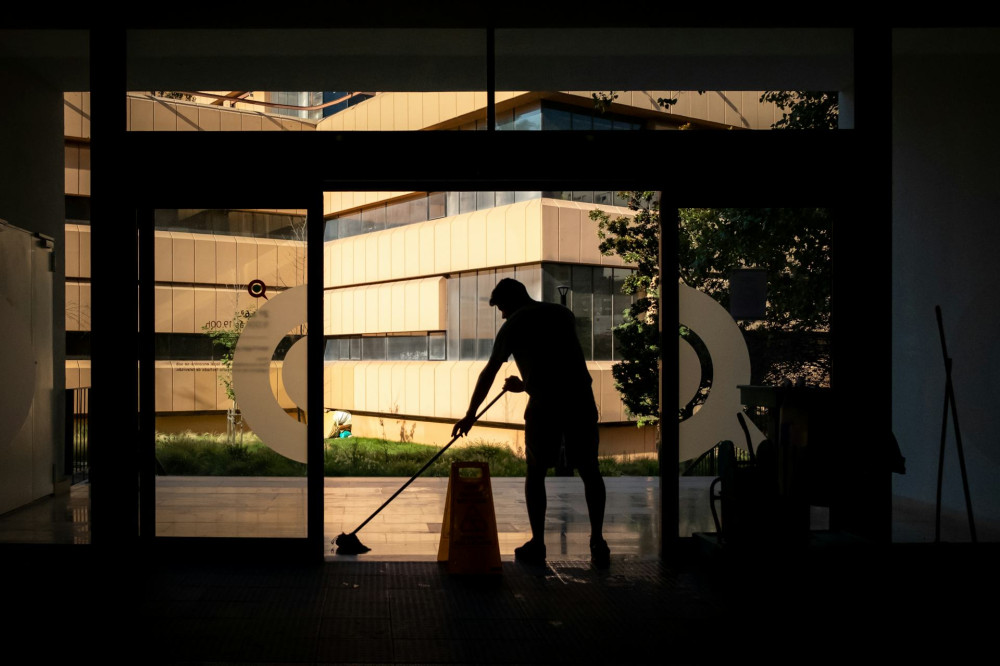
Cleaning and maintenance are essential parts of both private and professional environments. Yet the way we plan and carry out these tasks has a major impact on energy use, work efficiency, and wellbeing. With a more thoughtful approach, it’s possible to save resources, extend the life of materials, and create healthier indoor spaces – without compromising on quality.

Think in Systems – Not Just Routines

Many cleaning schedules are based on fixed routines: floors every week, windows every month, filters every quarter. But fixed intervals rarely reflect how spaces are actually used. A more efficient approach is to plan according to need and activity.

  • Map how spaces are used – where is the most foot traffic, and where do people spend the most time?
  • Adjust frequency – low-traffic areas may need less frequent cleaning, while shared spaces and entrances should be prioritised.
  • Use data and sensors – modern buildings can be equipped with sensors that measure air quality, humidity, and movement, allowing cleaning to be scheduled based on real demand.

By thinking in systems rather than routines, you can reduce both energy consumption and labour time – and still achieve better results.

Choose Low-Energy Methods and Equipment

Cleaning equipment has become far more energy-efficient in recent years, but there’s still room for improvement. A few simple choices can make a big difference:

  • Use microfibre cloths and mops, which require less water and detergent.
  • Select energy-rated machines, and make sure they’re properly maintained – a worn motor can use significantly more power.
  • Optimise charging and timing – charge battery-powered machines overnight when electricity demand and prices are lower.
  • Consider steam or dry-steam technology, which can reduce the need for chemicals and save water at the same time.

Small adjustments in equipment and habits can quickly show up as savings on both your power bill and your environmental footprint.

Maintenance as Prevention

Effective cleaning isn’t just about removing dirt – it’s also about protecting surfaces and materials. Well-planned maintenance extends the life of everything from flooring to ventilation systems.

  • Schedule regular inspections of technical installations so small issues are caught before they become costly repairs.
  • Use the right products for the right materials – harsh chemicals can damage surfaces and lead to more frequent replacements.
  • Keep digital records – a maintenance log makes it easier to track work, identify patterns, and improve efficiency.

Prevention is often the most sustainable form of maintenance – both economically and environmentally.

Build a Culture of Care

Even the best plan only works if people are on board. A workplace culture that values energy awareness and efficiency can make a real difference.

  • Involve cleaning staff in planning – they know the building best and can identify unnecessary routines.
  • Provide ongoing training in new methods and equipment so everyone works safely and efficiently.
  • Share results – show how changes have reduced energy use or saved time. It builds motivation and ownership.

When care becomes part of everyday practice, efficiency stops being a demand and becomes a natural way of working.

The Future of Cleaning Is Smart and Sustainable

Digitalisation and green technology are rapidly changing how we think about cleaning and maintenance. Sensor-based cleaning, automated robots, and data analytics make it possible to plan precisely according to need – using fewer resources in the process.

But technology alone isn’t enough. The greatest benefits come when people, processes, and technology work together. It’s all about using energy – both electrical and human – with care.

Easy-to-Clean Interior Design – The Path to a Healthy and Stable Indoor Climate
Design interiors that stay clean, healthy, and easy to maintain
Cleaning
Cleaning
Interior Design
Healthy Living
Home Maintenance
Indoor Climate
Cleaning Tips
6 min
Discover how thoughtful interior design choices can make cleaning simpler while improving indoor air quality and overall wellbeing. Learn which materials, layouts, and habits help create a home or workspace that supports a stable and healthy indoor climate.
Frank Patterson
Frank
Patterson
How Cleaning Schedules Ensure Compliance with Standards and Certifications
Structured cleaning routines that safeguard quality, safety, and compliance
Cleaning
Cleaning
Cleaning Schedule
Compliance
Hygiene Standards
Certification
Facility Management
4 min
Discover how well-planned cleaning schedules help Australian businesses meet hygiene standards, maintain certifications, and build trust across industries. Learn why documentation, training, and consistency are essential for compliance and long-term operational success.
Mason Hayes
Mason
Hayes
Energy and Efficiency: Plan Cleaning and Maintenance with Care
Smarter cleaning strategies that save energy and support long-term sustainability
Cleaning
Cleaning
Energy Efficiency
Sustainable Cleaning
Maintenance Planning
Workplace Wellbeing
Resource Management
5 min
Discover how thoughtful planning of cleaning and maintenance can reduce energy consumption, improve efficiency, and promote healthier indoor environments. Learn how small changes in methods, equipment, and routines can make a big difference for both people and the planet.
Ruby Carter
Ruby
Carter
Corrugated cardboard – applications, properties and types
Efficient and flexible packaging solution for transport and storage
Companies
Companies
Corrugated cardboard
Packaging
Logistics
Warehouse handling
Environmentally friendly packaging
7 min
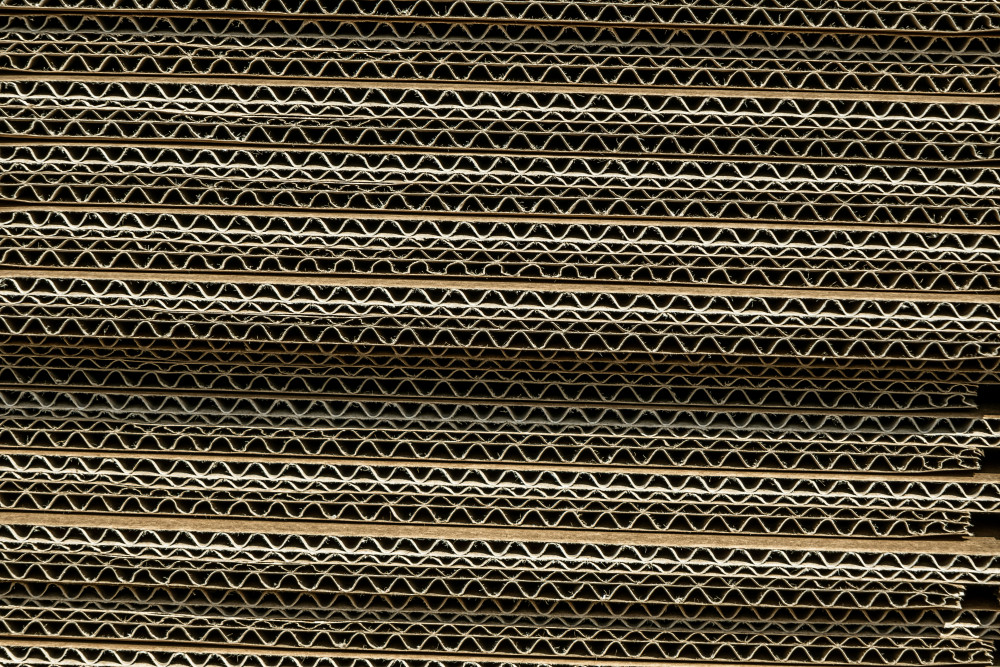
Corrugated cardboard is a versatile and environmentally friendly packaging material that protects goods during transport and storage. The article provides an overview of applications, properties and types, so you can choose the right solution for your business.
Layla Hall
Layla
Hall
Ink cartridges – understanding the difference between colour cartridges
Keep track of your printer’s lifeline and choose the right cartridges for your needs
Companies
Companies
ink cartridges
printer
office supplies
colour printing
consumables
3 min
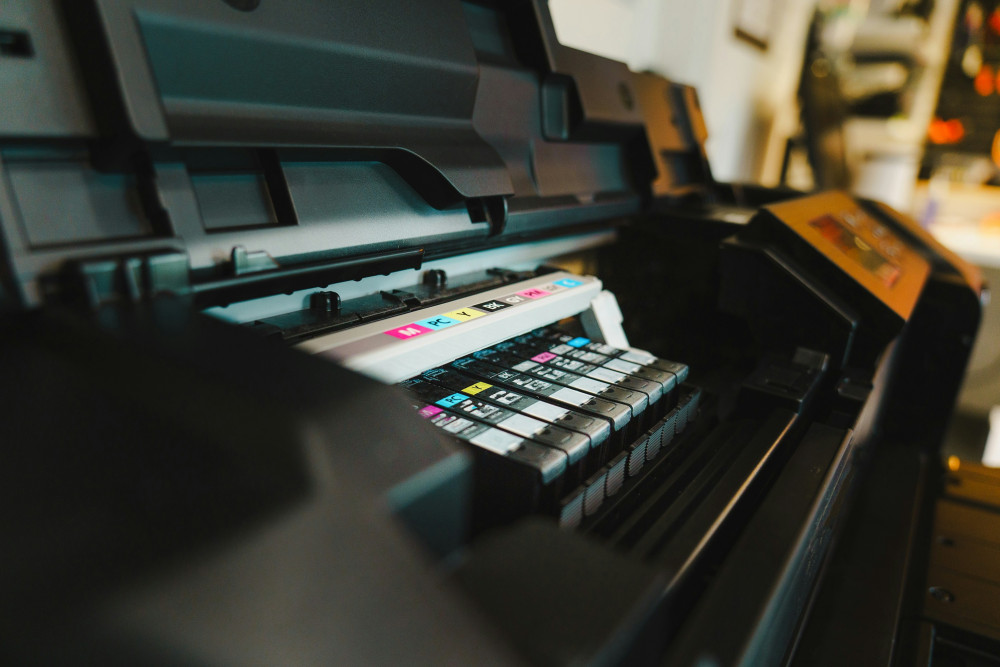
Ink cartridges vary in price, capacity and quality. In this article, you’ll get an overview of the differences between colour cartridges, the most important considerations before buying, and which types and brands suit different needs.
Iris Ferguson
Iris
Ferguson
Filing systems – ideas for smarter storage
Create structure and overview in the office with the right solutions
Companies
Companies
Filing
Office design
Storage
Organisation
Efficiency
4 min
A good filing system creates overview and efficiency in the office. Get inspiration for different types, materials and brands, and find the solution that best suits your needs and workspace.
Frank Patterson
Frank
Patterson
Guide: Different types of multifunction printers and their use
Efficient printing, scanning and copying combined in one solution
Companies
Companies
Multifunction printer
Office equipment
Printing
Business
Technology
2 min
Multifunction printers combine printing, scanning and copying in one device. In this guide, you get an overview of the different types, functions and brands, so you can choose the printer that best suits your needs.
Mason Hayes
Mason
Hayes
Printers – how printers have evolved over time
From simple text prints to intelligent multifunction devices for home and office
Companies
Companies
Printers
Home office
Office equipment
Technology
Buying guide
6 min
Printers have evolved from simple text machines to advanced multifunction devices. Read about the main types, features and brands, and get help choosing the printer that best suits your home or office.
Ruby Carter
Ruby
Carter