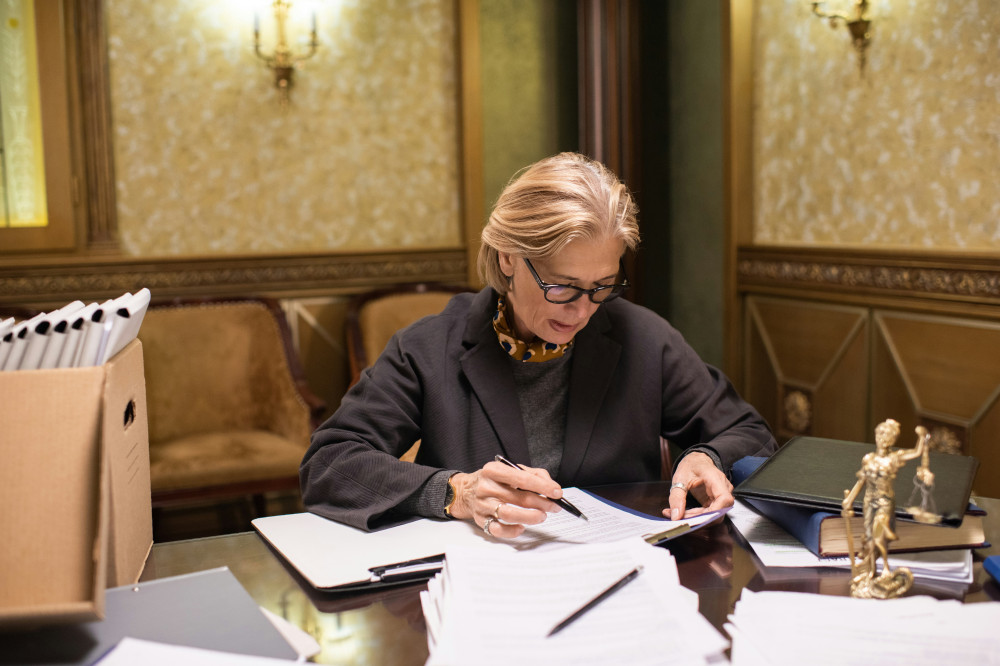
First meeting with your adviser? How to prepare in the best way possible


First meeting with your adviser? How to prepare in the best way possible
Reaching out to an adviser – whether it’s about finances, legal matters, career planning or personal development – can feel like a big step. Many people experience a mix of excitement and uncertainty: What should you say? What should you bring? And how do you make the most of the meeting? A bit of preparation can make all the difference. Here’s a guide to help you get ready for your first meeting with an adviser in the best possible way.
Clarify your purpose
Before you meet your adviser, take some time to think about what you want to achieve from the conversation. Ask yourself:
- What is the specific issue or challenge I need help with?
- What goals am I hoping to reach?
- What decisions might I need to make based on the advice I receive?
The clearer you can describe your purpose, the easier it will be for your adviser to guide you effectively. It doesn’t have to be perfectly worded – what matters is that you’ve reflected on what you hope to get out of the meeting.
Gather relevant information
Good advice depends on your adviser having a clear picture of your situation. It’s a good idea to collect any documents or details that might be relevant. Depending on the type of advice, this could include:
- Financial information such as payslips, bank statements, or a household budget
- Legal documents like contracts, agreements, or correspondence
- Notes from previous meetings or decisions
- A list of questions or concerns you’ve already identified
Having this material ready shows that you take the meeting seriously and helps your adviser get up to speed quickly.
Prepare your questions
It’s easy to forget things once you’re in the meeting, so write down your questions in advance. Think about both practical and broader questions, such as:
- What options do I have in my situation?
- What are the pros and cons of each option?
- What are the costs involved, and what does the process look like?
Having your questions on paper ensures you get answers to what matters most to you.
Be open and honest
Your adviser can only help you effectively if you’re honest about your circumstances. It can feel uncomfortable to share personal or financial details, but remember that advisers are bound by confidentiality and are used to dealing with a wide range of situations.
The more accurately you describe your challenges, the better your adviser can tailor their guidance. If you’re unsure about something, say so – it’s better to ask than to pretend you understand everything.
Læs også:



Build a good dialogue
A successful advisory relationship is built on trust and collaboration. During the meeting, you can:
- Listen actively and take notes
- Ask for clarification if something isn’t clear
- Summarise what you’ve heard to make sure you’re on the same page
If your adviser uses technical terms or jargon, don’t hesitate to ask for an explanation. It’s completely normal and shows that you’re engaged in the process.
After the meeting – follow up
Once the meeting is over, take a moment to review your notes and consider your next steps. Do you need to send additional information? Make a decision? Or book a follow-up appointment?
Many advisers will send a short summary or follow-up email after the meeting. Read it carefully and check that it matches your understanding. If something doesn’t seem right or you’re unsure, ask for clarification – it’s always better to double-check.
Make the meeting an investment in yourself
Seeking advice isn’t a sign of weakness – it’s a sign of responsibility. You’re investing time and effort into making better decisions, which can bring clarity and peace of mind in the long run. With good preparation, you’ll get the most out of your meeting and lay a strong foundation for the steps ahead.
Læs også: