Find Your Work Rhythm: The Balance Between Productivity and Job Satisfaction


Discover how to align your work habits with your natural rhythm for lasting motivation and well-being
Office
Office
2 min
Learn how to balance productivity and job satisfaction in today’s flexible work environment. This article explores practical ways to understand your energy patterns, structure your day with purpose, and maintain a sustainable rhythm that keeps both performance and happiness in sync.
Mason Hayes
Mason
Hayes

Find Your Work Rhythm: The Balance Between Productivity and Job Satisfaction

Discover how to align your work habits with your natural rhythm for lasting motivation and well-being
Office
Office
2 min
Learn how to balance productivity and job satisfaction in today’s flexible work environment. This article explores practical ways to understand your energy patterns, structure your day with purpose, and maintain a sustainable rhythm that keeps both performance and happiness in sync.
Mason Hayes
Mason
Hayes

In a world where hybrid work and flexible hours are becoming the norm, finding your own work rhythm has never been more important. It’s not just about getting more done—it’s about creating a balance between productivity and genuine job satisfaction. But how do you find that balance in practice, and how do you avoid burning out in the process?

Know Your Energy Patterns

Everyone has different times of day when they’re at their best. Some people are sharpest early in the morning, while others hit their stride after lunch. Understanding your personal energy pattern is the first step toward a sustainable work rhythm.

Try tracking your focus levels for a week. Notice when you feel most alert and when your concentration dips. Use that insight to plan your day: schedule demanding tasks during your “peak hours” and save routine work for when your energy is lower. This simple shift can make a big difference to both your output and your wellbeing.

Structure with Flexibility

A good work rhythm needs structure—but also room to breathe. Too much rigidity can create stress, while too little structure can lead to chaos. The key lies in balance.

  • Start your day with a plan. Spend a few minutes identifying your top priorities.
  • Work in focused bursts. Many people find that 45–60 minutes of concentrated work followed by a short break boosts productivity.
  • Set clear boundaries. Especially if you work from home, define when your workday starts and ends.

Flexibility doesn’t mean working around the clock—it means being able to adapt without losing direction.

Breaks Are Part of the Job

Breaks are often seen as interruptions, but they’re actually essential to sustainable productivity. Your brain needs time to recharge, and short breaks can improve both creativity and focus.

Step outside for a few minutes, stretch, or grab a coffee with a colleague. It might seem trivial, but these small pauses can be the difference between feeling drained and finishing the day with energy to spare.

Job Satisfaction as a Driving Force

Productivity isn’t just about doing more—it’s about doing what matters. Job satisfaction grows when we feel that our work has purpose and when we have opportunities for autonomy and growth.

Ask yourself what motivates you most. Is it teamwork, achieving results, or learning something new? When you understand your own drivers, it becomes easier to shape a workday that feels meaningful—even when things get busy.

Balancing Focus and Freedom

In an age of constant notifications and digital distractions, maintaining focus can be a challenge. Yet without focus, both productivity and satisfaction suffer. Consider setting aside “distraction-free” periods where you silence notifications and work uninterrupted.

At the same time, allow space for freedom and variety. A walk around the block, a chat with a colleague, or a creative side project can spark new energy and ideas. The balance between focus and freedom often separates a good workday from an exhausting one.

When the Rhythm Needs Adjusting

Even the best work rhythm won’t last forever. Life changes—new roles, new workplaces, or shifts in personal circumstances—and your rhythm needs to evolve with it.

Check in with yourself regularly: Does your work still feel meaningful? Do you end the day with energy or exhaustion? If the answer leans toward the latter, it might be time to fine-tune your routine. Small adjustments—like moving meetings, taking more breaks, or changing your workspace—can make a big difference.

A Rhythm That Lasts

Finding your work rhythm isn’t about working faster—it’s about working smarter. When you learn to listen to your own energy, build structure with flexibility, and make space for joy and rest, you create a work life that’s both productive and sustainable.

The best rhythm is the one that fits you—and keeps you looking forward to the next day.

Meeting tables – from compact to spacious models
Create the right meeting point for collaboration and creativity
Office
Office
Meeting tables
Office interior
Work life
Design
Ergonomics
4 min
Meeting tables form the framework for collaboration and decision-making. Get an overview of different types, materials and functions so that you can choose the meeting table that best suits your room, your style and your needs.
Frank Patterson
Frank
Patterson
Find Your Work Rhythm: The Balance Between Productivity and Job Satisfaction
Discover how to align your work habits with your natural rhythm for lasting motivation and well-being
Office
Office
Productivity
Work-Life Balance
Job Satisfaction
Personal Development
Workplace Wellbeing
2 min
Learn how to balance productivity and job satisfaction in today’s flexible work environment. This article explores practical ways to understand your energy patterns, structure your day with purpose, and maintain a sustainable rhythm that keeps both performance and happiness in sync.
Mason Hayes
Mason
Hayes
Reflection as a Driving Force: How to Strengthen Your Motivating Work Habits
Discover how self-reflection can boost motivation and create lasting, positive work habits
Office
Office
Reflection
Motivation
Work Habits
Personal Development
Workplace Wellbeing
5 min
In today’s busy work life, it’s easy to get caught up in doing rather than thinking. This article explores how reflection can help you understand your own work patterns, strengthen motivation, and build sustainable routines that support both performance and wellbeing.
Ruby Carter
Ruby
Carter
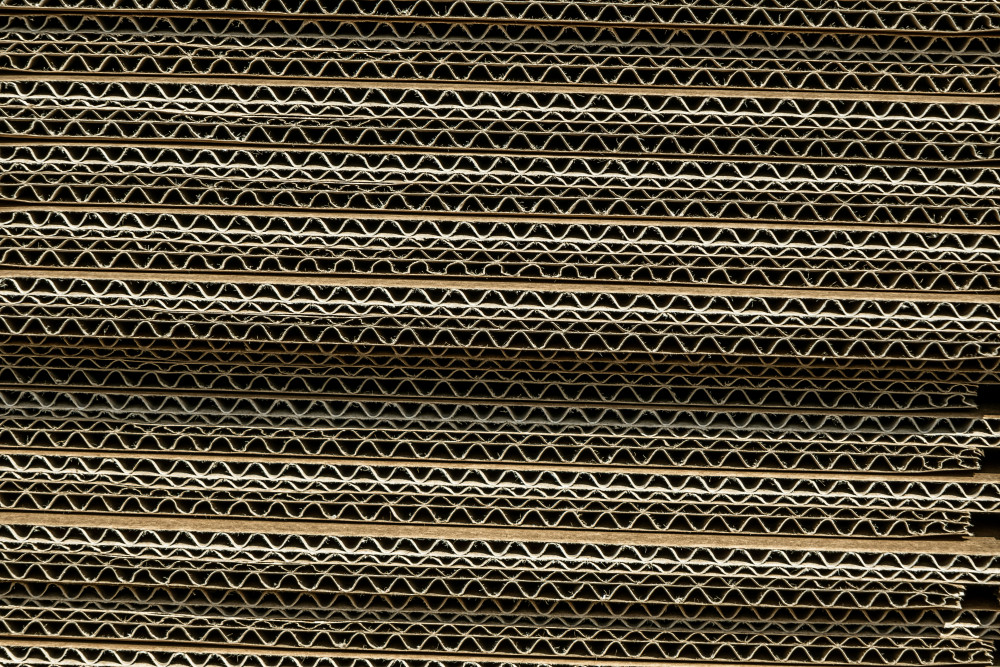
Corrugated cardboard – applications, properties and types
Efficient and flexible packaging solution for transport and storage
Companies
Companies
Corrugated cardboard
Packaging
Logistics
Warehouse handling
Environmentally friendly packaging
7 min
Corrugated cardboard is a versatile and environmentally friendly packaging material that protects goods during transport and storage. The article provides an overview of applications, properties and types, so you can choose the right solution for your business.
Layla Hall
Layla
Hall
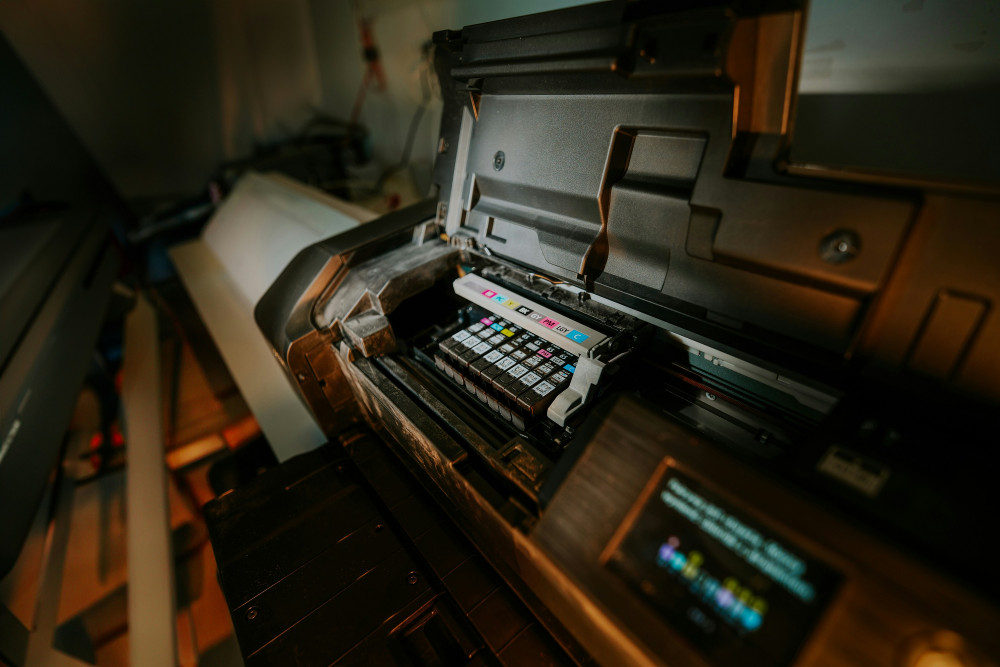
Ink cartridges – understanding the difference between colour cartridges
Keep track of your printer’s lifeline and choose the right cartridges for your needs
Companies
Companies
ink cartridges
printer
office supplies
colour printing
consumables
3 min
Ink cartridges vary in price, capacity and quality. In this article, you’ll get an overview of the differences between colour cartridges, the most important considerations before buying, and which types and brands suit different needs.
Iris Ferguson
Iris
Ferguson
Filing systems – ideas for smarter storage
Create structure and overview in the office with the right solutions
Companies
Companies
Filing
Office design
Storage
Organisation
Efficiency
4 min
A good filing system creates overview and efficiency in the office. Get inspiration for different types, materials and brands, and find the solution that best suits your needs and workspace.
Frank Patterson
Frank
Patterson
Guide: Different types of multifunction printers and their use
Efficient printing, scanning and copying combined in one solution
Companies
Companies
Multifunction printer
Office equipment
Printing
Business
Technology
2 min
Multifunction printers combine printing, scanning and copying in one device. In this guide, you get an overview of the different types, functions and brands, so you can choose the printer that best suits your needs.
Mason Hayes
Mason
Hayes
Printers – how printers have evolved over time
From simple text prints to intelligent multifunction devices for home and office
Companies
Companies
Printers
Home office
Office equipment
Technology
Buying guide
6 min
Printers have evolved from simple text machines to advanced multifunction devices. Read about the main types, features and brands, and get help choosing the printer that best suits your home or office.
Ruby Carter
Ruby
Carter