Drowning in Data? Focus on the Insights That Create Real Value

Drowning in Data? Focus on the Insights That Create Real Value
In an age where Australian businesses have access to more data than ever before, it can paradoxically be harder to make clear decisions. Dashboards, reports, and KPIs fill our workdays, but the question remains: are we actually making better decisions—or are we drowning in information that doesn’t lead to action? Creating real value isn’t about having the most data; it’s about finding the insights that truly make a difference.
Data Is Not the Same as Insight
Many organisations collect data on a massive scale—from customer behaviour and sales figures to social media engagement and internal operations. But data alone rarely tells the full story. Without context and interpretation, numbers are just noise.
A useful rule of thumb is to ask: What will this data be used for? If the answer isn’t clear, it might not be worth collecting. The goal is to move from “more data” to “better data”—and to focus on understanding what the numbers actually mean for the business.
From Reporting to Action
One of the biggest challenges in many companies is that data is used for reporting, not for action. Monthly reports are produced and circulated, but they rarely lead to concrete decisions.
To change that, data needs to be directly linked to action. That can be done by asking questions such as:
- What decisions should this report support?
- Who will use this information—and how?
- What actions can we take based on these results?
When data becomes a tool for movement rather than just documentation, it starts to create real value.
Prioritise the Metrics That Matter
It’s tempting to measure everything—but that’s rarely effective. Too many KPIs can create confusion and distract from what truly matters. Instead, focus on a few meaningful metrics that reflect your strategic goals.
A good starting point is to ask: What would we measure if we could only choose three numbers? This forces the organisation to prioritise and focus on the indicators that actually drive results.
Build a Data Culture—Not Just a Dashboard
Technology helps, but culture is crucial. A data-driven organisation isn’t just about having the right tools; it’s about creating a shared understanding of how data is used.
That means helping employees across departments understand why data matters and how it can be turned into action. This could involve workshops, shared goals, or making data more accessible and easy to interpret for everyone.
When data becomes a natural part of decision-making—not just a project for analysts—you build a culture where insight leads to improvement.
Use Visualisation to Create Clarity
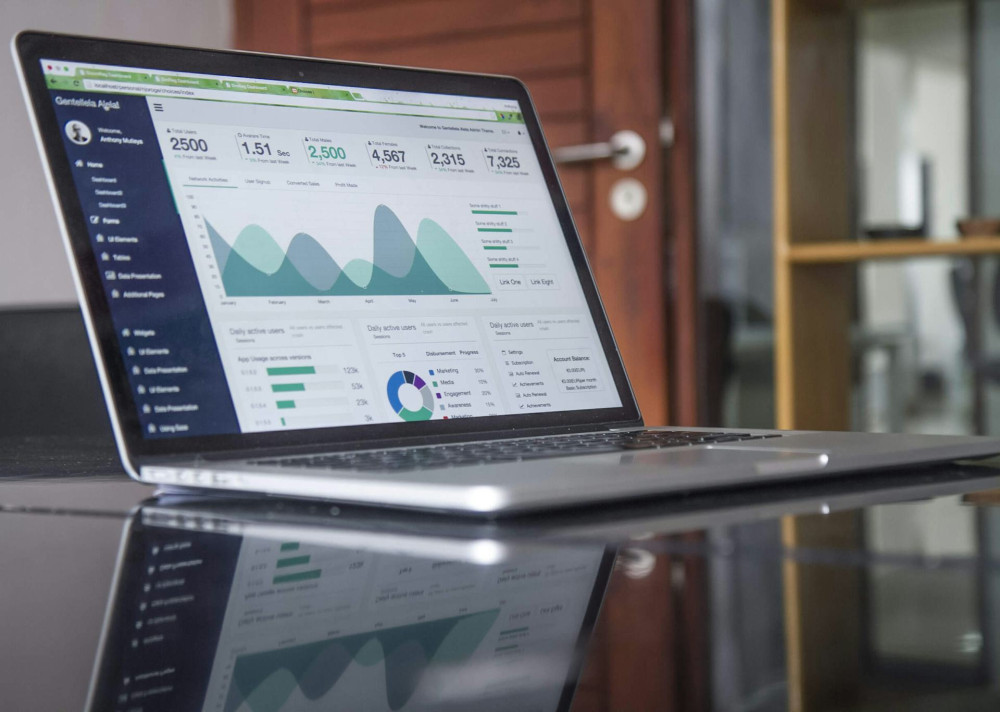
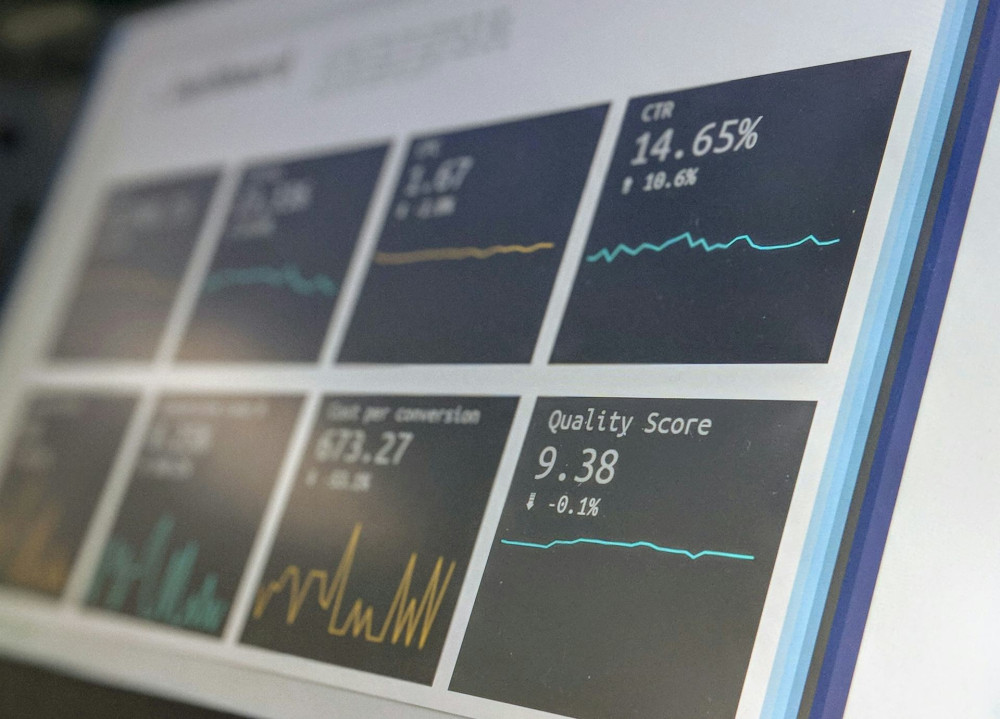
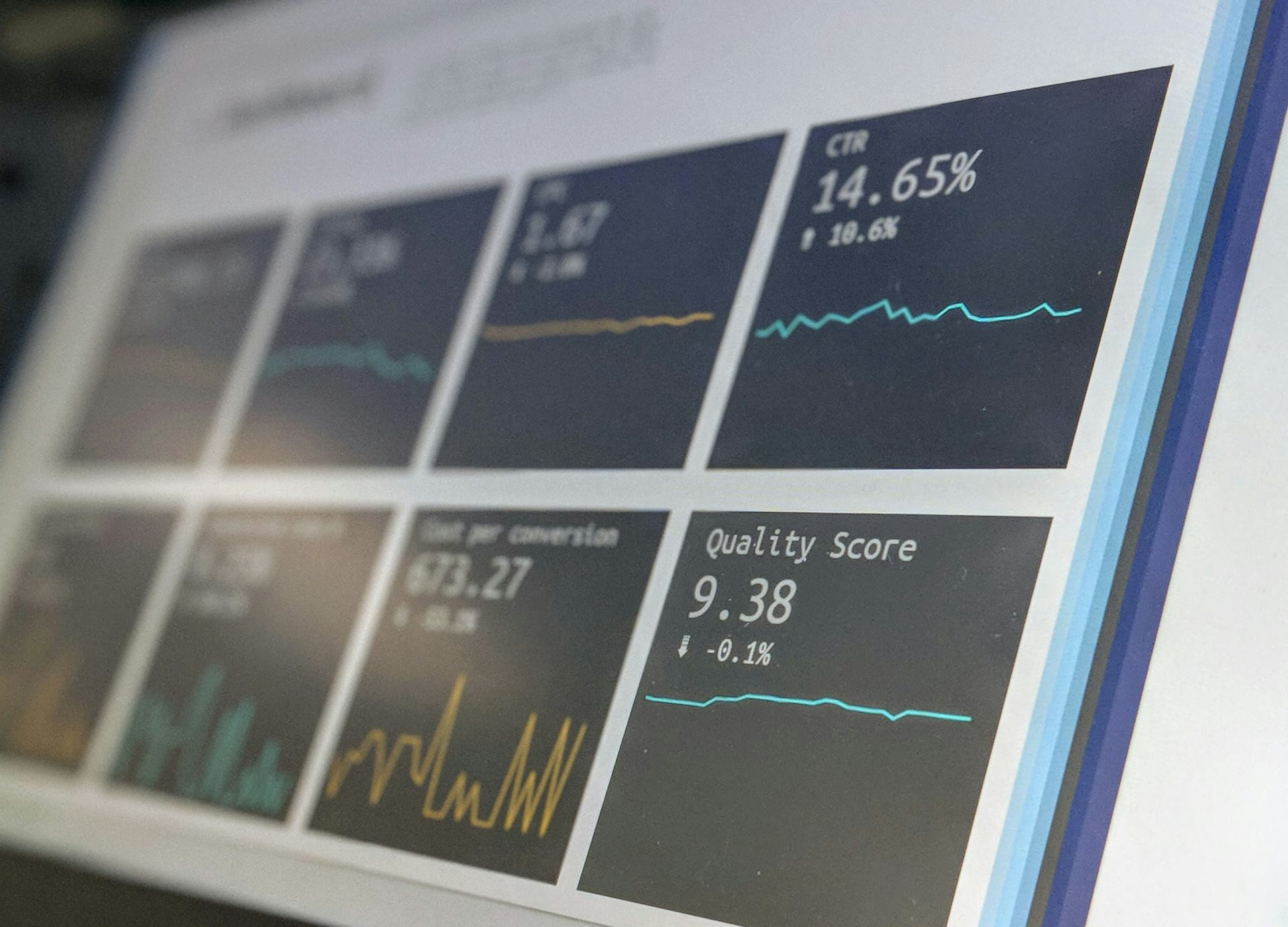
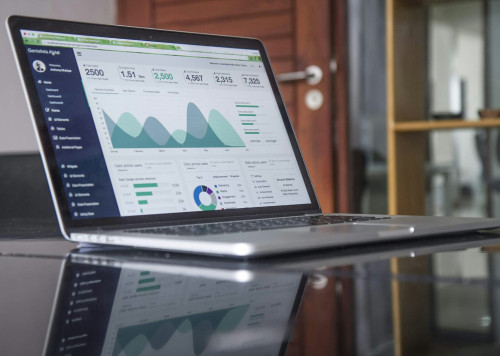
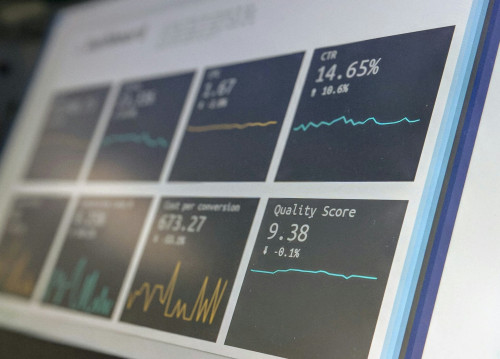
People think visually. A well-designed visualisation can often do more than a lengthy report. A simple chart showing customer satisfaction trends or conversion rates can create understanding and engagement across the organisation.
But visualisation should be used thoughtfully. Too many graphs or colours can confuse rather than clarify. The key is to ensure that visuals support the story—not hide it.
Læs også:


From Data to Value—A Matter of Focus
Creating value with data ultimately comes down to focus. It takes courage to choose what not to measure, to ask the right questions, and to act on the insights you uncover. Data should never be an end in itself—it’s a means to understand customers, improve processes, and make better decisions.
When Australian businesses succeed in using data as a strategic tool rather than a burden, it becomes clear that less is often more. It’s not about drowning in data—it’s about swimming confidently toward the insights that truly matter.
Læs også: